
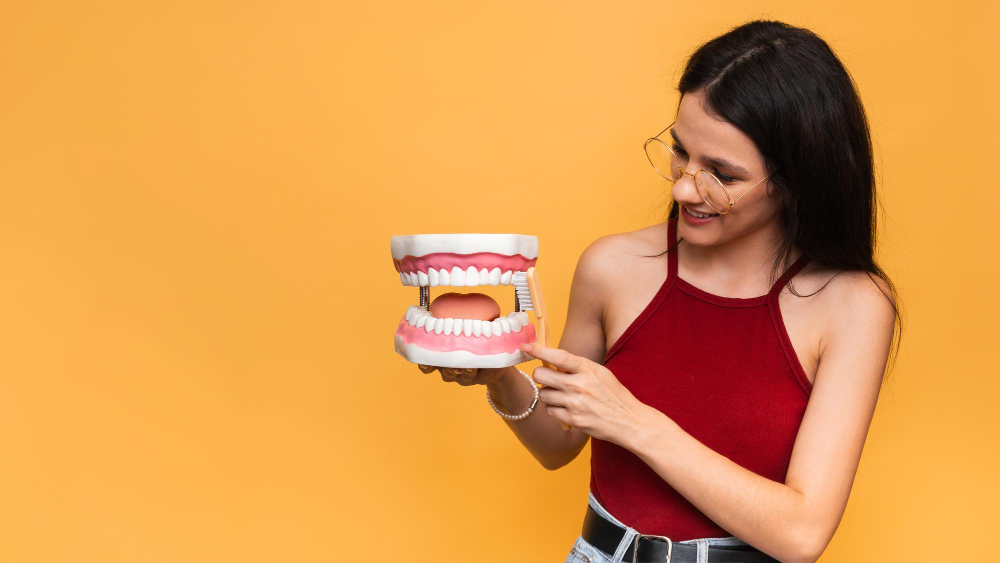
What Are Dentures?
Dentures, also known as false teeth, are removable devices that replace missing teeth. They help restore your smile and make eating and speaking easier. There are two main types of dentures:
Sometimes, dentists may suggest implant-supported dentures for a more secure fit. Each type has its own benefits. Your dentist will help you choose the best option.
Common Signs You May Need Dentures
Many people wonder when it is time to consider dentures. While every case is unique, some common signs include:
If you notice these symptoms, it is wise to see your dentist. Early action can help prevent further problems.
Causes of Tooth Loss Leading to Dentures
Tooth loss can happen for many reasons. However, some causes are more common than others. These include:
According to the World Health Organization (WHO), gum disease and tooth decay are leading causes of tooth loss worldwide. Good oral care can help reduce your risk.
Diagnosis: How Dentists Determine If Dentures Are Needed
First, your dentist will examine your mouth. They may take X-rays to check bone health and remaining teeth. Next, they will ask about your symptoms and daily habits. After that, your dentist will discuss all possible options. Sometimes, other treatments like bridges or implants may be better. However, if many teeth are missing or damaged, dentures are often the best choice.
Treatment Options: Types of Dentures, Fitting Process, and What to Expect
There are several types of dentures available. Each type fits different needs. The main options include:
The fitting process usually involves several visits. First, your dentist takes impressions of your mouth. Then, they create a model to ensure a good fit. After that, you will try on the dentures and adjustments will be made. Finally, you receive your finished dentures. Most people need a short time to adjust, but soon, eating and speaking become easier.
Lifestyle Guidance: Eating, Speaking, and Caring for Dentures
Living with dentures may feel strange at first. However, with practice, daily life becomes easier. Here are some tips:
Proper false teeth care helps prevent mouth sores and keeps your dentures looking their best. If you notice discomfort or loose dentures, visit your dentist for adjustments.
Prevention: Tips to Maintain Oral Health and Delay the Need for Dentures
While dentures are helpful, it is best to keep your natural teeth as long as possible. To do this, follow these simple steps:
These habits can help you maintain a healthy smile and delay the need for dentures.
Conclusion
Dentures can restore your smile and improve your quality of life. However, choosing the right type and caring for them is important. For the best results, consult a dental specialist for personalized advice on dentures.