
What is Oral Cancer?
Oral cancer is a disease that starts in the mouth. It can affect the lips, tongue, cheeks, gums, or roof of the mouth. Sometimes, it can also begin in the throat. For this reason, doctors often check the whole mouth and nearby areas. According to the World Health Organization, oral cancer is a serious health issue worldwide. Because it can grow quickly, early detection of oral cancer is very important.
Importance of Early Detection
Early detection of oral cancer can save lives. When doctors find cancer early, treatment is often easier. In fact, people have a better chance of recovery if cancer is caught soon. On the other hand, late-stage oral cancer is harder to treat. As a result, regular oral cancer screening helps spot problems before they get worse. This means you can start treatment sooner and improve your health outcomes.
Common Symptoms and Warning Signs
Knowing the signs of oral cancer can help you act quickly. Although some symptoms may seem minor, it is important to pay attention. For example, you should watch for:
However, these symptoms can also be caused by other problems. Still, if you notice any of them, see your dentist or doctor right away. Early action can make a big difference.
How Oral Cancer Screening Works
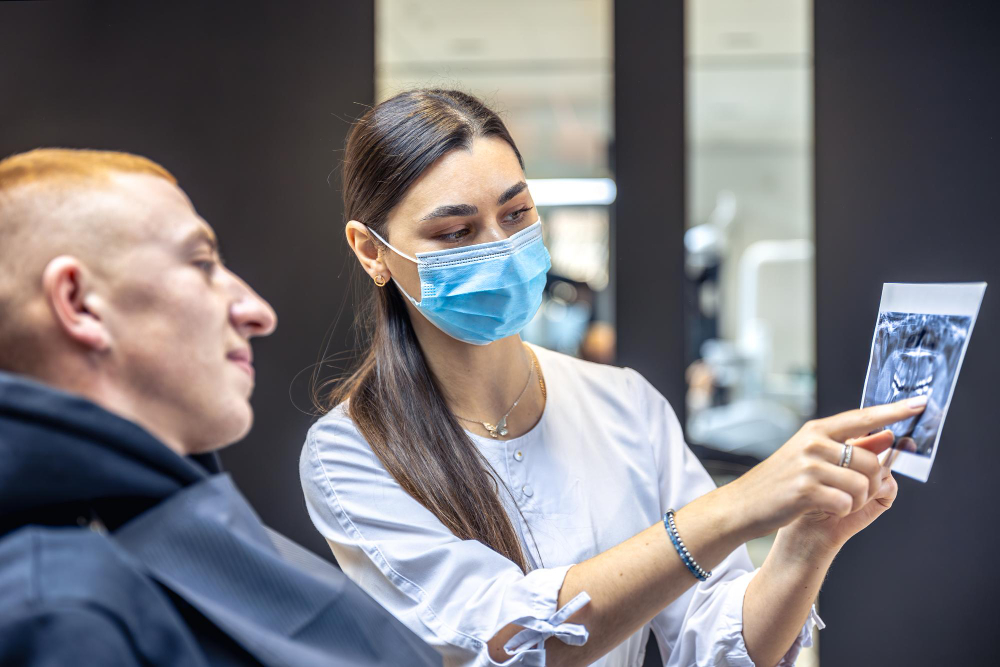
During an oral cancer screening, your dentist or doctor will look for signs of cancer. Usually, the exam is quick and painless. First, the provider will check your mouth, lips, tongue, and throat. Next, they may feel for lumps or unusual spots. Sometimes, special lights or dyes help spot changes that are hard to see. If the provider finds anything unusual, they may suggest more tests. For example, a small tissue sample, called a biopsy, may be taken for further study. Regular screenings are a key part of oral cancer prevention.
Who Should Get Screened?
Anyone can get oral cancer, but some people have a higher risk. For instance, you should consider regular oral cancer screening if you:
Even if you do not have these risks, regular dental checkups are important. Dentists often check for oral cancer during routine visits. This way, you can catch problems early, even if you feel healthy.
Prevention Tips for Oral Cancer
While not all cases can be prevented, there are steps you can take. For example, you can lower your risk by:
Because prevention is key, making these changes can help protect your health. If you have questions about oral cancer prevention, talk to your healthcare provider. Staying informed and alert can make a real difference.