
Introduction
Gum recession is a common dental problem that affects many people. When gums pull back from the teeth, it can expose the roots. This may lead to sensitivity and other issues. Early signs are often easy to miss. However, knowing gum recession symptoms can help you act fast. Many people search for treatment for receding gums and ways of preventing gum recession. In this blog, you will learn about the causes, signs, and treatment options. You will also find tips to keep your gums healthy.
What Is Gum Recession?
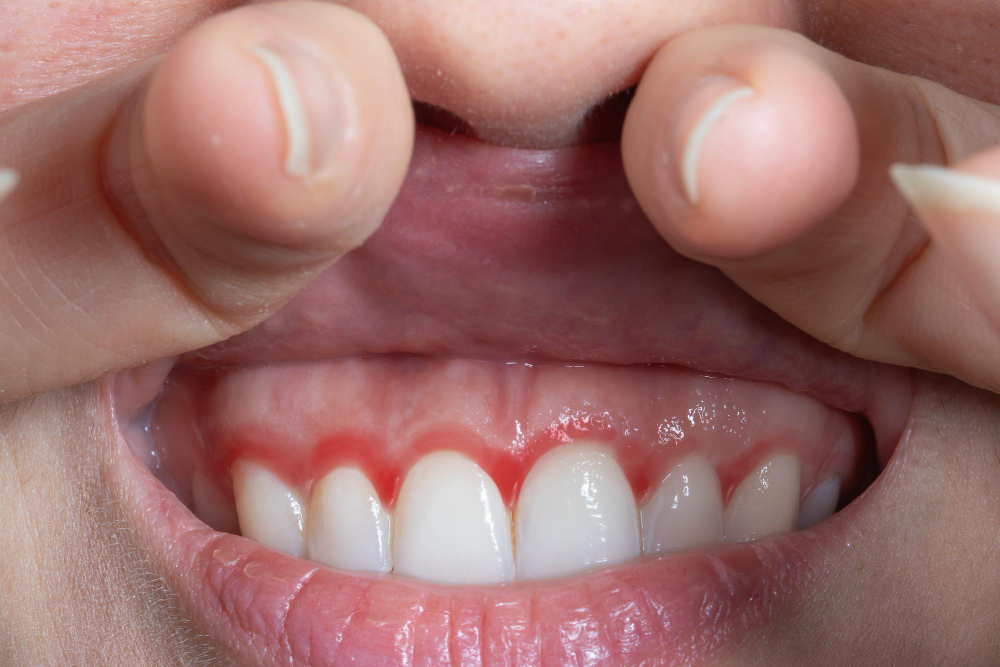
Gum recession happens when the gum tissue around your teeth wears away. As a result, more of your tooth or its root becomes visible. This can make teeth look longer than usual. Sometimes, you may feel pain or sensitivity. Over time, gum recession can lead to tooth loss if not treated. According to the American Dental Association, gum recession is a sign of gum disease, but it can also occur for other reasons.
Common Causes of Gum Recession
Several factors can lead to gum recession. Understanding these causes can help you protect your gums. For example, some people may have a higher risk due to their habits or health.
Because these causes vary, it is important to know your own risk factors.
Signs and Symptoms of Gum Recession
Early detection is key. While some signs are obvious, others may be subtle. If you notice any of these symptoms, you should see a dentist soon.
Sometimes, gum recession can progress without pain. Therefore, regular dental check-ups are important.
Diagnosis: How Dentists Identify Gum Recession
Dentists use several methods to diagnose gum recession. First, they will look at your gums and teeth. Next, they may use a small tool to measure the depth of your gum pockets. X-rays can also help check for bone loss. Because gum recession can be mild or severe, a dentist will decide the best way to treat it. The CDC and dental journals recommend regular exams to catch problems early.
Treatment Options for Gum Recession
Treatment for receding gums depends on how severe the problem is. Sometimes, simple changes can help. Other times, dental procedures are needed.
Because each case is different, your dentist will suggest the best treatment for you.
Tips for Preventing Gum Recession
Good oral care can help prevent gum recession. Even small changes can make a big difference. Try these tips to keep your gums healthy:
Because prevention is easier than treatment, start these habits today.
Conclusion
Gum recession can lead to serious dental problems if ignored. However, early action and good habits can protect your smile. Consult a dental professional for personalized advice on gum recession.